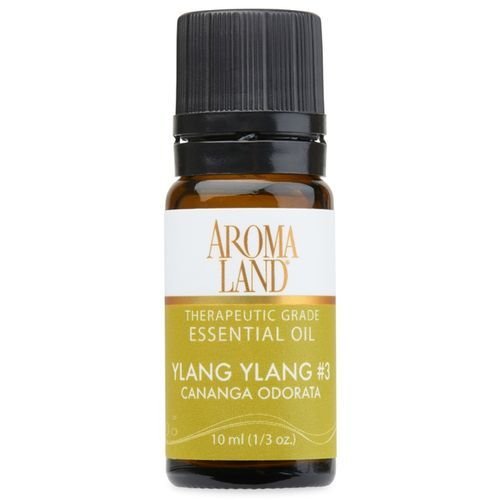
Aroma:? Intense, heady, floral, and sweet
Ylang Ylang is distilled over the course of 14 hours.
During this time various grades are extracted: Extra, #1, #2, and #3.
The remaining plant material is used to make the inferior cananga oil.
Ylang Ylang #3 is the most commonly offered quality and a pleasant oil
for aromatherapy.
Latin Name:? Cananga odorata
Country of Origin:? Comoros
Cultivation Method:? Harvested from wild growing plants
Extraction Method:? Steam distilled
Extracted From:? Flowers
Color:? Pale yellow to deep golden color
Perfumery Note:? Base??
Consistency:? Liquid
Aromatherapy Properties:? Seductive, relaxing, and tropical
Suggested Use:? Ylang ylang is best
blended in very small quantities with other essential oils.? It can
offer tranquility and stress reduction.? In perfumery, it ads a feminine
and alluring touch.
Ylang ylang has a very strong aroma, just one drop per
ounce of carrier oil is needed.? This essential oil can offer a
blancing effect in skin care products.? It is great for the hair as
well; try applying diluted oil to your hairbrush for extra shine.
Note: Improperly diluted, Ylang ylang’s aroma can be overpowering to the point of nausea and sluggishness.
History:? In Asia ylang ylang flowers are spread on the bed for a newly wed couple.??
Specific Safety Information:? Not for
internal use.? Dilute heavily with topical use.? Avoid with sensitive
skin.? Avoid with pregnancy, nursing, and very young children.? This
aroma may be too strong for some.? Certain essential oils may be
contraindicated with certain medical conditions.? Ask your doctor if you
have any questions before use.




 No products in the cart.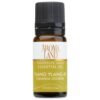
Reviews
There are no reviews yet.